Why does a custom cake order form need a cancellation and refund policy written into it?
A policy that lives on a separate page is one nobody agreed to. Here is why the cancellation terms belong inside the order form and what they should say.
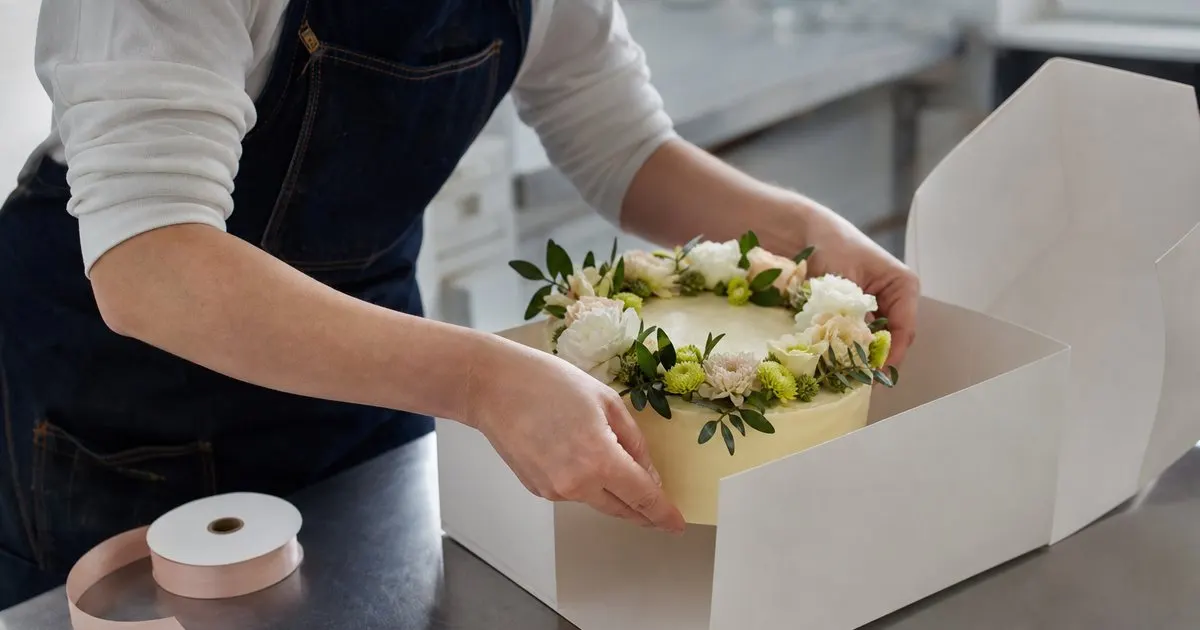
A policy nobody acknowledged is a policy you cannot enforce
When something goes wrong, whether a chargeback, a demand for a refund, or a public review, the question is always the same: what did the customer agree to, and when? A short policy summary placed beside a required checkbox on the order form, timestamped and saved with the order, answers that question in one screenshot. A link in the footer to a policy page that the customer may or may not have opened does not. Related: How can a cake artist make sure allergen information is never missed on a custom order form?
Keep the on-form summary short, roughly five to seven lines, and link to the full version for anyone who wants it. Make the checkbox required, not pre-checked. Then repeat the same summary in the confirmation email so the customer sees it twice before any money moves. Two exposures, one acknowledgment, and a stored record is a strong position in almost any dispute.
Keep reading: How can a bakery collect all the custom cake order details it needs without endless back and forth?, How can a cake artist make sure allergen information is never missed on a custom order form?, What is the best way for a bakery to quote custom cake orders quickly so customers do not go elsewhere?. See how CakeIntakr helps you custom cake and bakery order intake forms.
What the policy needs to cover
The core items: cancellation windows and what is refundable at each stage; date change rules; what happens if the bakery has to cancel; what it means for a cake to match the order, including that reference photos are inspiration rather than a promise of a replica and that colors are matched within reason; an allergen statement if you work in a shared kitchen; pickup responsibility and transport damage; and what happens if nobody shows up at pickup. Related: How can a bakery collect all the custom cake order details it needs without endless back and forth?
The second tier of items covers the rarer problems: quality complaints require the cake, or most of it, to be returned within a stated time; change requests after the lock date; late pickups and how long you hold a cake; and weather or road closures affecting deliveries. Write all of it in plain language. Consumer rules vary by state, so have someone qualified look over the final text, but do not let that delay you from having a clear policy at all.
How wording changes what customers actually do
A clear policy reduces cancellations, not because it threatens anyone, but because it makes the commitment conscious. Customers who tick a box that says the deposit covers custom supplies and holds your date behave differently from customers who paid and forgot. It also changes your own experience: you can point to the policy you both agreed to instead of relitigating fairness with an upset person. Always include the reason next to the rule; people accept terms they understand. Related: What is the best way for a bakery to quote custom cake orders quickly so customers do not go elsewhere?
Leave room for kindness on top of a firm baseline. One date transfer, or credit toward a future order, is a generous gesture when it comes from a clear policy. The same flexibility offered without a baseline reads as a starting point for negotiation. Firm first, then generous, is the order that keeps both your margins and your reputation intact. Related: How can a home baker manage a cake order calendar so two big cakes do not land on the same day?
Build it into the form, not around it
Implementation is straightforward. Place the policy text block directly above the submit button, make the acknowledgment checkbox required, and store the acknowledgment with the order along with a version identifier. If you change the policy later, orders placed under the old version should follow the old text, so keep the versions. Repeat the same text in the confirmation email that the order record generates.
A general form builder can do most of this with some setup. A purpose-built bakery intake tool such as CakeIntakr handles the acknowledgment, versioning, and confirmation automatically, which matters most when you are busy and least likely to check. Whichever you use, test it once a year: submit a fake order, read what the customer sees, and then try to retrieve that acknowledgment six months later. If you cannot find it quickly, neither will you during a dispute.
- Put a short policy summary beside a required checkbox on the form and store it with the order.
- Cover cancellations, date changes, bakery cancellations, design matching, allergens, pickup, and no-shows.
- Explain the reason next to each rule, then offer goodwill options from that firm baseline.
- Version the policy, repeat it in the confirmation, and test that you can retrieve acknowledgments later.

Julien Jimenez
Julien Jimenez is an independent software builder based in Paris. He designs, ships, and operates focused SaaS products for small businesses and independent professionals. Read the full author page.
Cake orders without the mix-ups
Custom cake and bakery order intake forms. CakeIntakr is built to help you put this into practice.
Build your intake formMore from the CakeIntakr blog
Get the CakeIntakr playbook
Practical guides on bakery operations, straight to your inbox as we publish them. No spam, unsubscribe any time.