What is the best way to show cake add-on pricing so customers understand the final total before they commit?
Sticker shock at the quote stage loses orders. Transparent add-on pricing on the form lets customers build what they can afford and trust the number they see.
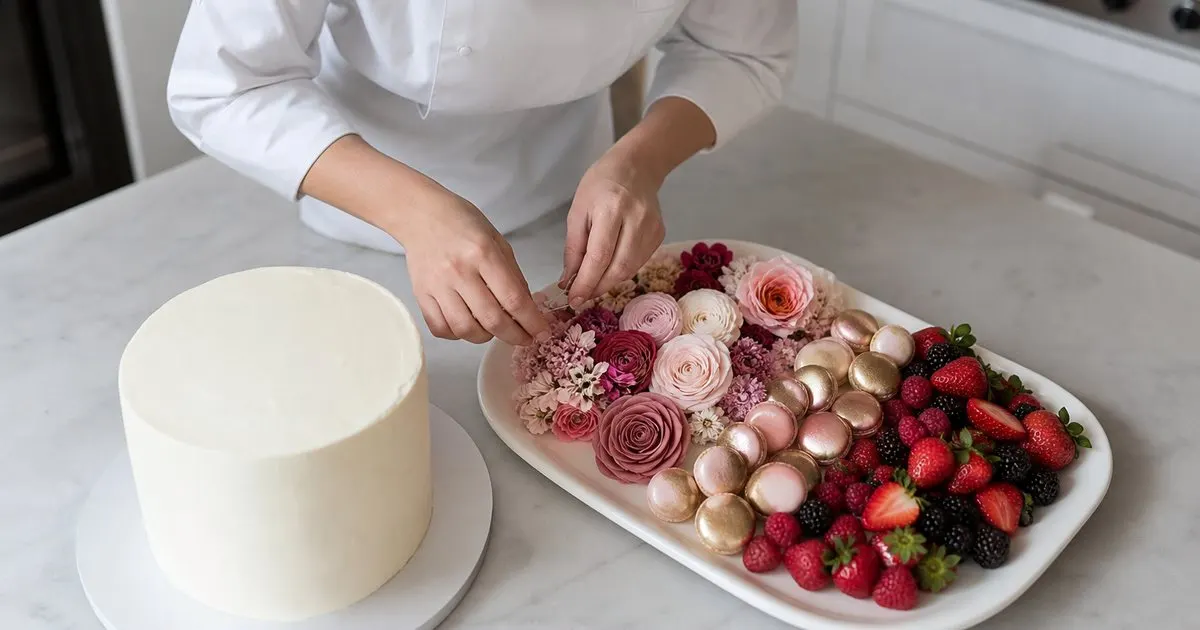
Start with a base price that actually means something
The base price should describe a real, complete cake: a given size, one of your standard flavors, and a simple buttercream finish. Everything beyond that is an add-on. Customers understand this model from cars, phones, and restaurant menus, and it only feels like nickel-and-diming when the base is vague or when it turns out the base did not include something obvious like a filling. Define the base in a single sentence at the top of the pricing section. Related: What is the best way for a bakery to quote custom cake orders quickly so customers do not go elsewhere?
Publish starting prices by size directly on the form. Many bakers worry that visible prices invite haggling; in practice they filter out mismatched inquiries and cut the time spent quoting people who were never going to book. A form whose only pricing information is that prices vary is one of the most common reasons customers move on to another bakery before you have even replied. Related: Why should a cake order form let customers attach a reference photo of the cake they want?
Keep reading: How can a bakery collect all the custom cake order details it needs without endless back and forth?, How can a cake artist make sure allergen information is never missed on a custom order form?, What is the best way for a bakery to quote custom cake orders quickly so customers do not go elsewhere?. See how CakeIntakr helps you custom cake and bakery order intake forms.
Group add-ons by what they do to the cake
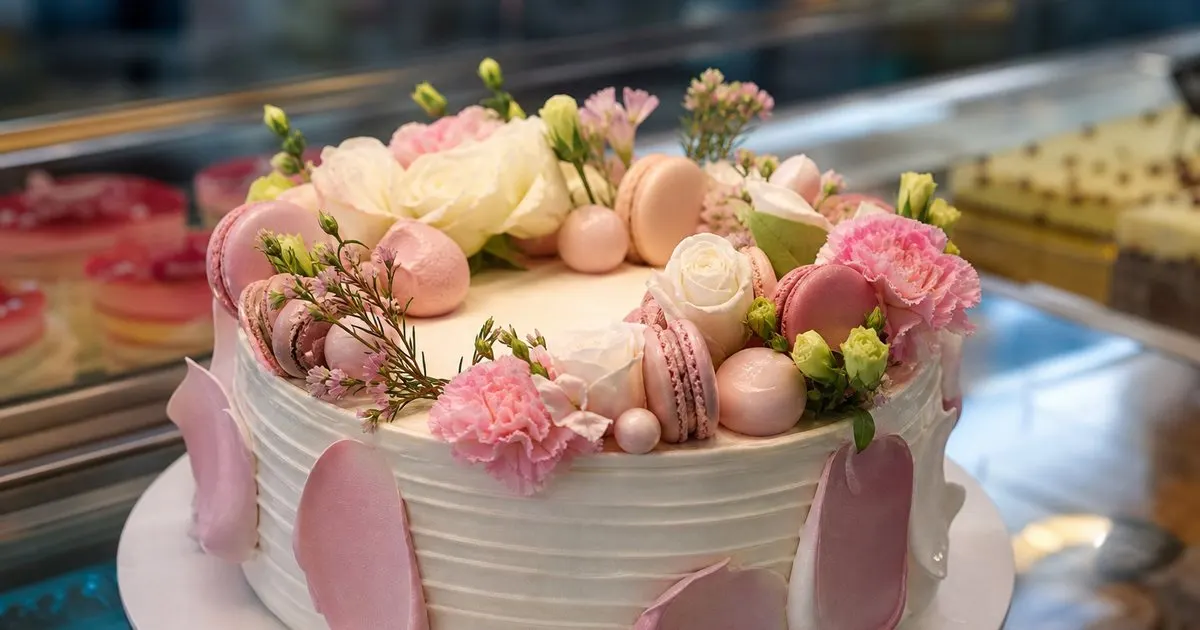
A long flat list of add-ons is hard to read. Group them: flavor upgrades such as premium fillings; finish options such as fondant, textured buttercream, or drip; decorations such as sugar flowers, fresh flowers, macarons, toppers, and hand-painting; structure such as extra height, additional tiers, or sculpting; and service such as delivery, setup, and rush. Each add-on gets a price and a label that says whether it is flat or per unit.
Use per-unit pricing where the quantity drives the work, such as per sugar flower or per tier, and flat pricing where it does not, such as a drip finish or a hand-lettered inscription. For labor-heavy custom work like hand-painting or sculpted elements, give a starting price with a range and note that the final quote confirms it after you see the design. Keep these open-ended items to a minimum; a form full of items marked as quoted separately loses the trust that transparent pricing was supposed to build.
Show the running total while the customer builds
If your form can calculate, display a live estimate as options are selected and label it clearly as an estimate that the quote will confirm. If it cannot, make sure the price sits right beside each option so mental math is at least possible. What never works is hiding all prices until the end and hoping the customer is too invested to walk away; they are not, and they remember. Related: How can a cake artist make sure allergen information is never missed on a custom order form?
Make the deposit and balance structure visible at the same time as the total. A customer who sees the total, the deposit due to book, and the balance due date before they submit is far less likely to hesitate at the quote stage. This is one of the calculations CakeIntakr does on the form by default, and it is worth replicating however you can, even with a simple note explaining how the deposit is calculated.
The quote should match the form line by line
When the quote goes out, mirror the structure the customer just saw: base, add-ons by group, service, total, deposit, balance and due date. Customers compare the two, and a matching structure builds trust while a different layout makes them hunt for what changed. If you add something they did not see, such as a structural support fee for a top-heavy design, give it one sentence of explanation right there. Related: How should a bakery capture cake design details so the finished cake matches what the customer pictured?
Review the add-on list every few months. Look at which options are chosen often and which never are, and compare the time you actually spend on labor-heavy items with what you charge for them. If sugar flowers consistently take longer than the price assumes, raise the price rather than quietly resenting each order. Transparent pricing only works if the numbers behind it are honest with you as well as with the customer.
- Define a base price that describes a complete cake and publish starting prices by size.
- Group add-ons by flavor, finish, decoration, structure, and service, each marked flat or per unit.
- Show a running estimate with deposit and balance, and keep open-ended items rare.
- Mirror the form's structure in the quote and revisit prices against real labor time.

Julien Jimenez
Julien Jimenez is an independent software builder based in Paris. He designs, ships, and operates focused SaaS products for small businesses and independent professionals. Read the full author page.
Cake orders without the mix-ups
Custom cake and bakery order intake forms. CakeIntakr is built to help you put this into practice.
Build your intake formMore from the CakeIntakr blog
Get the CakeIntakr playbook
Practical guides on bakery operations, straight to your inbox as we publish them. No spam, unsubscribe any time.